


Stylish, fresh, beautiful


We're in the mood for modern


Bright ideas for your kitchen
limited time offer


Top Selling Products
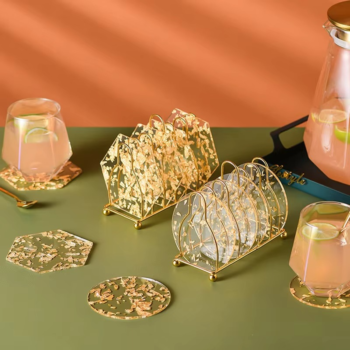
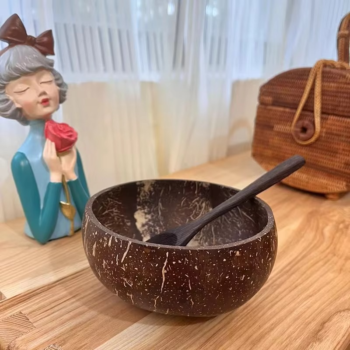

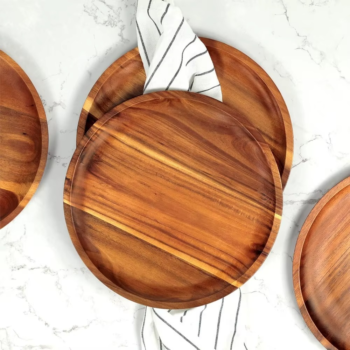
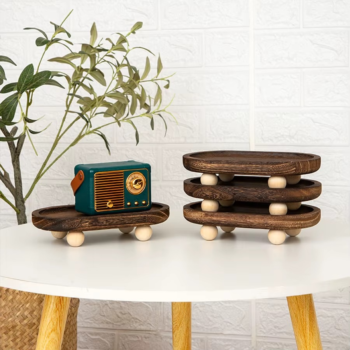
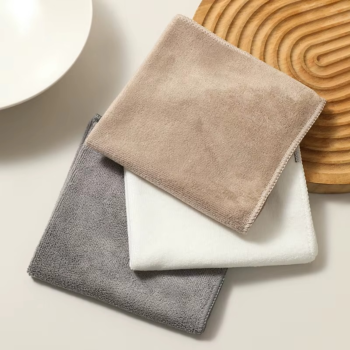
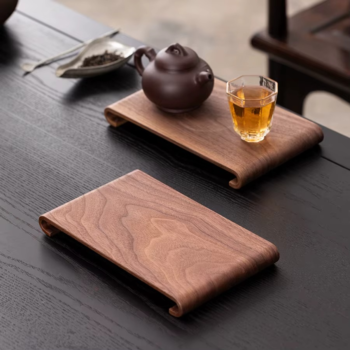

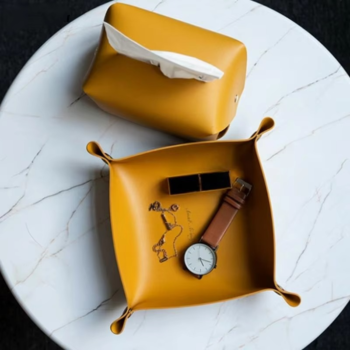

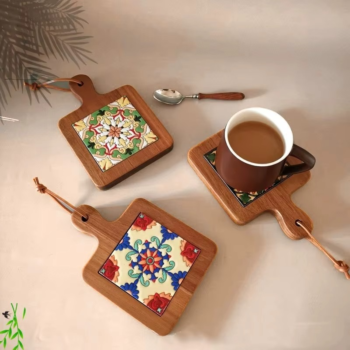
Table Decoration
Tableware refers to the dishes and utensils used for setting a table, serving food, and dining. It includes items such as cutlery, glassware, serving bowls, and decorative pieces that combine both practicality and visual appeal. The style, quality, and quantity of tableware often vary according to cultural traditions, religious practices, types of cuisine, the number of guests, and the nature of the occasion. In some food cultures—such as Middle Eastern, Indian, and Polynesian—meals may be served using shared dishes, with bread or leaves replacing individual plates. Formal events are typically marked by the use of finer-quality tableware.
The term “dinnerware” is commonly used to describe tableware, while “crockery” usually refers to porcelain and bone china produced by renowned manufacturers such as Sèvres in France, Meissen in Germany, Royal Copenhagen in Denmark, Royal Doulton in England, and Belleek Pottery in Northern Ireland. A coordinated collection of dishes is known as a dinner service or table service. A place setting includes the plates, cutlery, and glassware arranged for each guest. In Ireland, tableware is often called “delph,” a phonetic adaptation of “Delft,” the Dutch town famous for its historic pottery. Silver service, also known as butler service, is a traditional method where food is served by a waiter or butler directly at the table.
Table setting involves arranging both functional and decorative elements to suit the event. For special occasions, table settings tend to be more ornate and carefully styled. When dining takes place in unusual environments, tableware is often adapted to meet practical needs.
Most dishes are made from ceramic materials such as earthenware, stoneware, faience, bone china, or porcelain. However, tableware can also be crafted from wood, pewter, silver, gold, glass, acrylic, or plastic. Before the rise of mass production, tableware was made from locally available materials like wood and metal. Advances in industrial manufacturing made affordable, durable, and washable tableware widely available. Today, these items are sold individually or in matching sets designed for four, six, eight, or even twelve diners. Restaurants typically purchase tableware in bulk, while replacement pieces can be found through open-stock retailers or antique dealers when patterns are discontinued.